
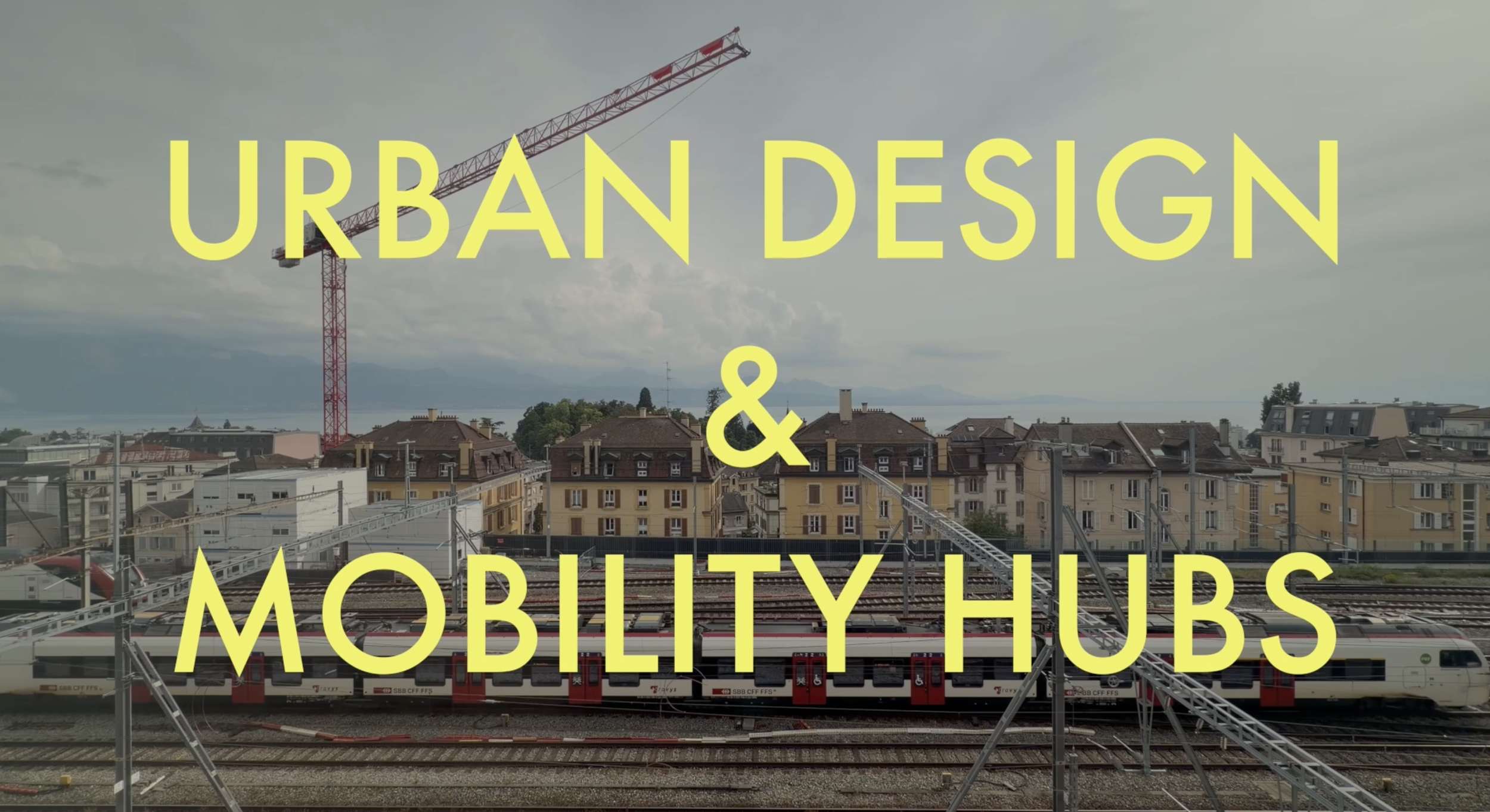
Here is a short film about the research
Urban Design & Mobility Hubs
I’m a Senior Fellow in MIT’s Mobility Initiative and my research is on the lessons learned from the urban design of mobility hubs.
The research included literature review, 60 interviews, and a survey with stakeholders including transit officials, public agency planners, academics, transit consultants, urban designers and transit advocates primarily located in North America and Europe. Site visits to mobility hubs were also made in the Netherlands, Switzerland, France, Massachusetts, Tennessee, North Carolina, California, and New York.
As the world is becoming more urbanized, we need to reconsider how we move from place to place to reduce congestion and the environmental impact. Cities around the world are working to improve transportation and develop better spaces to connect traditional and new modes of transit with their communities. We need to improve the transit opportunities and the experience for those who rely on public transit, ride sharing and micromobility. Many people are not able to drive or can’t afford to own and operate their own vehicles. Setting and prioritizing specific goals from the start is important. At the forefront of those opportunities is the mobility hub. We are all familiar with train stations and bus stops. Cities are creating mobility hubs that bring these and other transit modes together. What lessons have we learned for the urban design of multimodal mobility hubs?
While the idea of a mobility hub is not new we have always connected multiple modes at places like ports and train stations. Modern day planners feel the need to use new terminology for a place that accommodates the additional modes we are adding. Cities are developing these hubs to meet transportation challenges created by increased congestion, changing environmental conditions as well as new shared transportation modes such as e-bikes, scooters and autonomous vehicles. In cities building mobility hubs, guidance is provided to plan the best mix of modes and features based on the location and the local community. Hubs that serve a region or a large city are different than those in suburban or rural locations. Many places where we transfer were not originally designed for that purpose. These naturally occurring mobility hubs are important to examine along with those purposefully designed. In the locations with less planning and control, mobility hubs grow at the mercy of market conditions. This can produce unsafe conditions for pedestrians and cyclists as well as additional congestion.
Lessons Learned
Interviews, literature review, and a survey were used to collect lessons learned from mobility hub stakeholders including transit officials, public agency planners, academics, transit consultants, urban designers, and transit advocates primarily located in North America and Europe. The study examines six key performance indicators; safety, community value, equity, climate benefits, utilization, and user experience.
Safety
Safety is the first thing to get right, or people won’t use transit. We need to maintain safety from theft or assault as well as the perception of safe places. As Jane Jacobs explained, people with eyes on the street are the best deterrent for crime. Providing more space for pedestrians and traffic calming elements can make mobility hubs safer for riders.
Community Value
It is possible to create a flexible place that can both shelter riders and serve other purposes for the community. Engage with the community to improve transit stops and include elements like bike repair, libraries, and food service to make these better places to wait or pause our journey. Time spent building community trust is invaluable for the success of these projects. Revenue generation can help pay for improvements.
Equity
The creation of hubs in areas with poor public transit and low car ownership should be a high priority. Local governments should help ensure services by private sector companies accommodate mobility-impaired people and designing for them will help create transit that works for everyone. We need to design with women and caregivers in mind and to plan mobility hubs together with affordable housing.
Climate Benefits
The best climate related elements are dependent on local climate and the community. We can reduce the effect of heat with shade structures and with street trees that do even more than provide shade. Designs should include permeable paving and absorbent landscaping. Transit can provide an attractive alternative to car ownership and reduce climate impact. Resilient design can provide for evacuation during storms or wildfires and assist the community with sheltering in place during storms.
Utilization
Build and maintain trust, since people don’t like uncertainty. Remember to gather data before you build if want to measure data later. Plan the hub for future growth and changes. Plans should accommodate changes in adjacent development as improved transit gets more heavily used. Managing the wide variety of activity at the curb including urban freight and ride share improves utilization for everyone.
User Experience
The pedestrian connection is the first thing that needs to work, since most people arrive and leave on foot. Wayfinding, identity and branding is important to reinforce what people see on their phones. As we design and evaluate our projects, we must understand how people use the spaces, as they will show us show important insights. We need to improve all aspects of user experiences to make transit more enjoyable. Beauty and the quality of design improves the experience and encourages people to use transit. How do we define beauty, let’s start with landscape, natural materials and art.
Rethink the design process
How can we meet the challenges that we face in mobility? We need to rethink the design process to work more effectively with the unique project circumstances. From the beginning, we should be more intentional about the goals for mobility hubs. By adapting the observation techniques of Jane Jacobs, William H. Whyte, and Jan Gehl to the new transit modes and to online navigation we can understand how people use transit. We can combine hub development with planning for future growth around hubs, as transit becomes more heavily used. The design quality of incremental improvements is just as important as big transit projects. We should create dignified transit experiences and remember that beauty is imperative.
All of us can use our voices to support our communities and to improve transit. We must envision and help implement a future with safe, clean, and inclusive transit.