
MOBILITY HUBS SURVEY
MOBILITY HUBS SURVEY
Along with interviews, a survey was distributed to stakeholders including transit officials, public agency planners, academics, transit consultants, urban designers and transit advocates.
Mobility Hub Survey Questionnaire:
To support the collection of lessons learned for the urban design of mobility hubs, the MIT Mobility Initiative has developed a survey to gather input on user experience, safety, community value, equity, climate benefits, and usage.
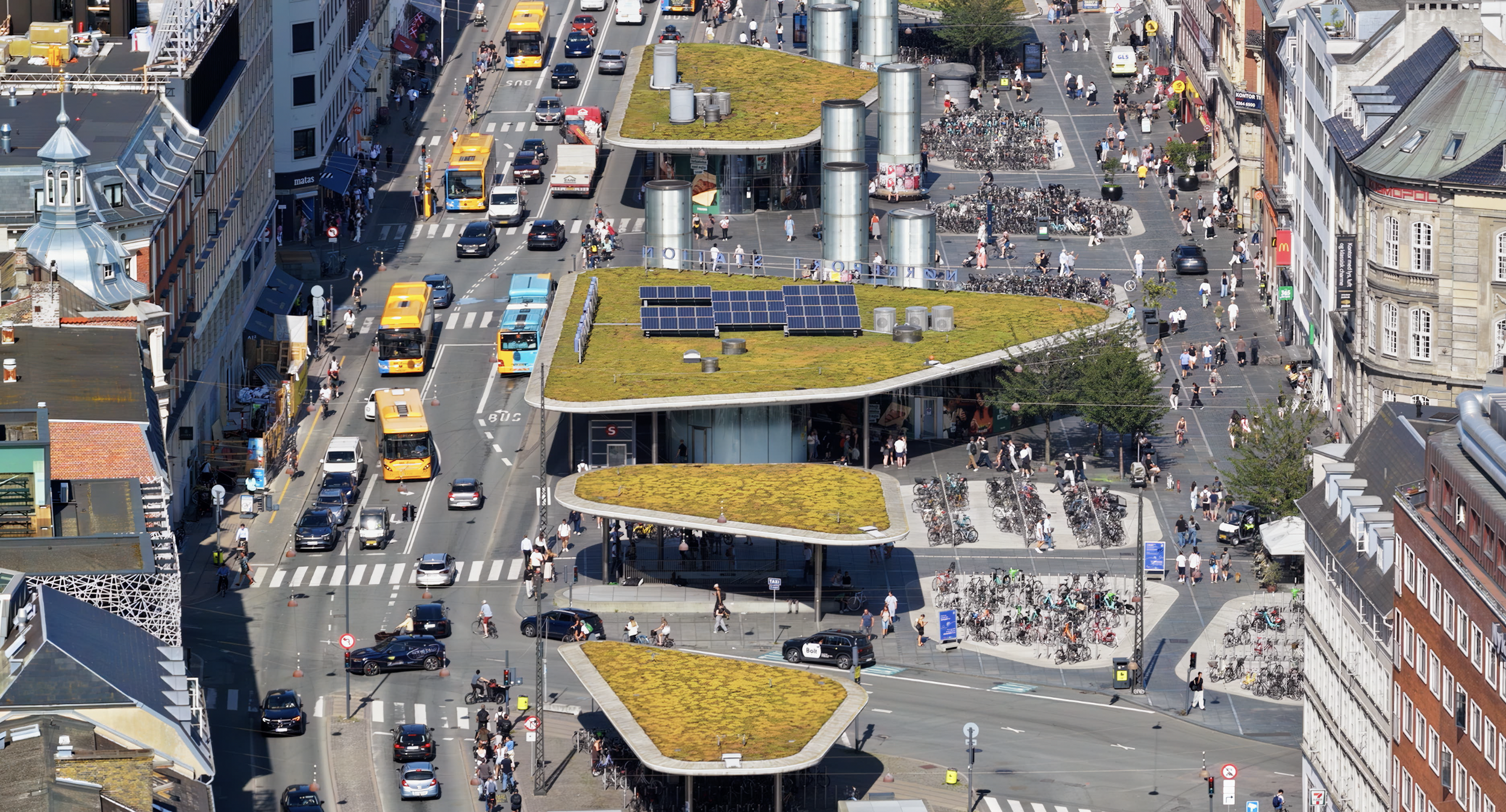
There are several ways to define mobility hubs, but simple they are physical places that connect a variety of transit modes, potentially ranging from a bus stop with bike sharing to a large urban train station wit subway/light rail connections, bike-share, taxi stands and more. This study focuses on six key performance indicators: user experience, safety, community value, equity, climate benefits and utilization.
Responses are anonymous, cannot be tracked to individuals, and only aggregated results will be published in the report.
This survey should take around 10-15 minutes to complete.
Please select your Country of primary residence:
Please type in your City of primary residence:
Which of the following organization types do you work for? public agency, transit consultancy, architecture/landscape/urban design consulting, commercial transit industry, non-profit advocacy group, academia/research, other (please enter name)
Does the lack of a clear public understanding of a “mobility hub” by the public help or inhibit its implementation? Help, Inhibit, Doesn’t Matter
Rate the primary goals of mobility hubs from highest to lowest? Provide attractive alternative to car ownership, Relieve parking and congestion, Provide access to transit to those that can’t afford to own or maintain a car, Provide access to bikes and micromobility, Make transfer of transit modes more efficient.
How important is branding of the mobility hub with a consistent identity and signage across multiple hubs? High 5 to Low 1.
Which of the following services are provided in your city or in your design projects (select all that apply) Rail, Light Rail, Subway, Bus, Car Share, Bike Share, E-Bike Share, Cargo Bikes, Scooter Share, EV charging, Other (please enter other services).
Rate the following items in order of importance for user experience: Efficiency of transfer, Comfort of environment, Related event programming, Real-time travel information screens, Off-board payment for transit, Hub area maps and wayfinding.
Describe any lessons learned for user experience:
Rate the following items in order of importance for safety: Lighting, Pedestrian protection, Visibility, Surveillance cameras, On-site managers or ambassadors, Locations in active areas, Traffic calming measures in the hub’s vicinity.
Describe any lessons learned for safety.
Rate the following items in order of importance for community value: Planning with a set of standard elements, Building trust with local community, Surveying local community for their needs, Community meetings
Describe any lessons learned for community value:
Rate the following items in order of importance for equity: Serving disadvantaged populations, Accessible hubs, Multiple language signage.
Describe any lessons learned for equity:
Rate the following items in order of importance for climate benefits: Enabling mode shift away from cars to active mobility, Renewable/on-site energy generation - solar panels, battery storage, etc., Resilience support - community shelters during weather anomalies, EV charging led CO2 reduction.
Describe any lessons learned for climate benefits:
Rate the following items in order of importance for utilization: Number of daily transit boardings and alightings, Number of inter-modal hub transfers, Bike share and micro-mobility usage, Car share usage, Bike parking usage, Walkability score of the surrounding neighborhood.
Describe any lessons learned for utilization:
Please rank the 6 KPIs against each other: Safety, User Experience, Equity, Community Value, Utilization, Climate Benefits.
What methods are used for community involvement (Choose all that apply) Public meetings, Design review, Surveys, Interviews
What future innovations do you want to see in mobility hubs (Choose all that apply) Shaded waiting areas, Community facilities, Restrooms, Food and retail, Parcel lockers, Cooling centers, Access for aerial transit, Other (fill in blank).
Is your mobility hub currently integrated with a Mobility as a Service (MaaS) provider? Yes, No, Planned for the future.
Please enter the name of the MaaS apps if applicable:
How do you share information with others developing mobility hubs (Choose all that apply)? City level organizations, Regional organizations, National organizations, International organizations.
How should we make mobility hubs and transit spaces more beautiful? Landscape, Public art, Natural materials, Other (Fill in the blank).
What should the MIT Mobility Initiative understand about mobility hubs that would help with their design in other places? Fill in the blank
Is there anything else you would like us to know? Fill in the blank.
Please list the name and email of any others we should contact for this survey. Fill in the blank.
Would you like to receive email updates related to the project? Click here if you do not wish to receive email updates.
Thank you for your time spent taking this survey